Gainesville, GA · Garage Door Service
A look at when a garage door built in the Gainesville area's 1992-2012 boom is worth repairing versus replacing, based on local housing stock and climate.
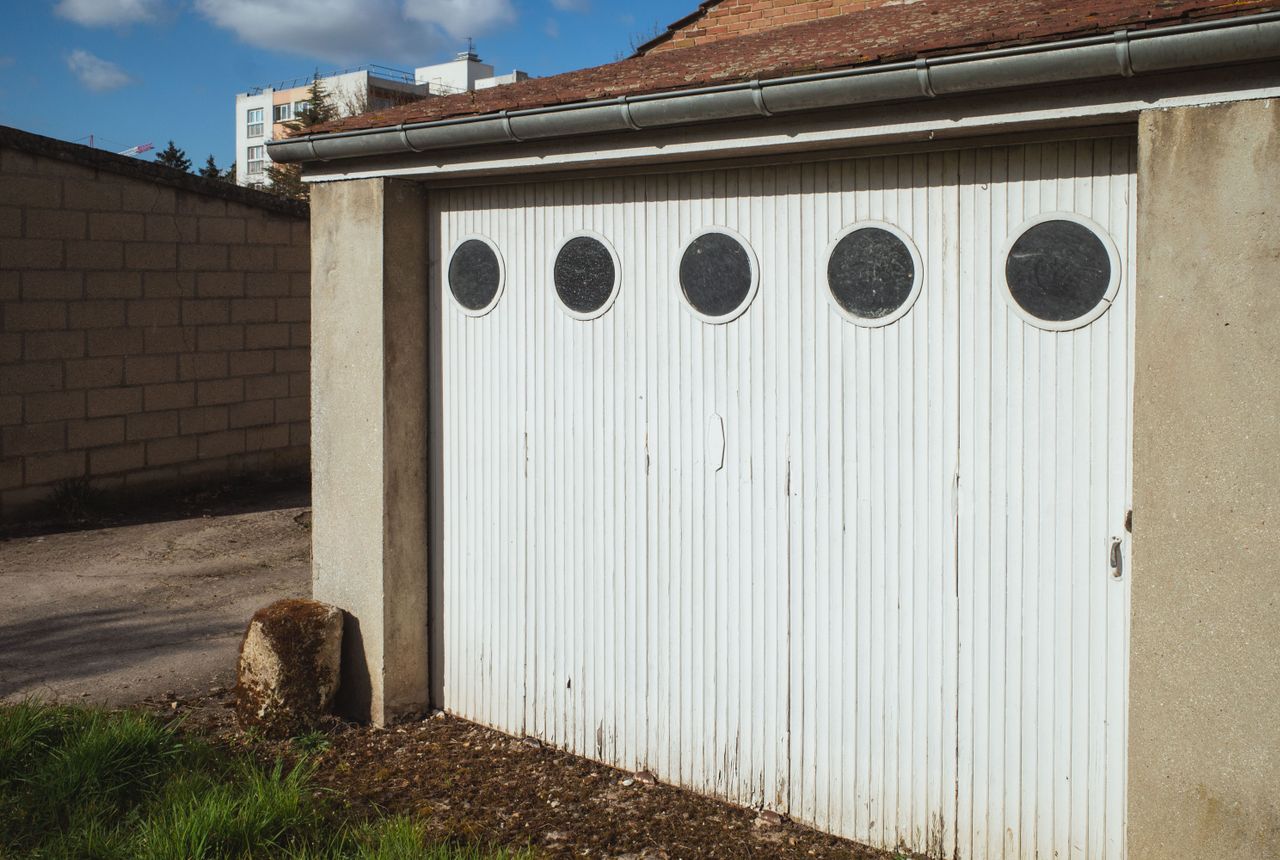
We can't quote a number here without seeing the door, but we can tell you what drives the decision. Most houses across this service area went up between 1992 and 2012, with the median build year around 2002. That means a lot of doors and openers still in service are original equipment, now pushing twenty to thirty years old. A single broken spring or a bad roller on a door that age is almost always worth fixing - the panel steel and track are usually fine, and the rest of the hardware isn't hard to source. Where it gets harder is when the opener, the springs, and the weatherstripping are all failing at once, which happens more often on the oldest end of that 1992-2012 range. At that point you're not pricing a repair, you're pricing a stack of repairs. With a median household income of $82,692 in the area, most owners we talk to can go either way on that call without it being a hardship, but we'd rather tell you honestly when a repair is throwing money at a door that's done than talk you into one. We don't do the job just because it's billable.
Gainesville sits in a cold-moderate climate band, not the extreme heat-and-humidity swing you'd get further south, and not the deep-freeze cycling you'd get up in the mountains. That matters for a garage door because the wear pattern is steadier and more predictable - steel doesn't expand and contract as violently, and torsion springs don't get slammed by 40-degree swings inside a single day the way they do in harsher climates. What it does mean is winter cold snaps that stiffen spring tension and thicken old lubricant right when you need the door to open smoothly, plus enough humidity the rest of the year to work on unsealed steel and worn weatherstripping. On a door original to a 1990s or early-2000s build, that's decades of slow, steady exposure rather than one bad season doing the damage. It's a fair climate to own a garage door in, honestly - we just don't want you assuming 'moderate' means 'no maintenance.' A door that's never been serviced in twenty years will still show it, just more slowly than it would somewhere harsher.
We cover a mostly 2000s housing stock - 15 named communities in the service area, and the overwhelming majority of the doors in them were installed during that same 1992-2012 building wave. That's useful context because it means the failures we see cluster: springs and openers from the same handful of manufacturing years, wearing out on the same rough timeline. Across the wider service area there are roughly 33,656 households and 18,712 owner-occupied houses, which tells you this is largely a homeowner market, not rental stock someone else is deciding on. The towns we reach stretch from Oakwood, about 6 miles out, through Flowery Branch, Pendergrass, Lula, Braselton, Clermont, Hoschton, Maysville, Raoul, Cumming, Sugar Hill, Dahlonega, Auburn, and Homer, out to Dawsonville at 20 miles. A door built in 2002 in any of those towns is dealing with the same age and the same climate exposure as one built in 2002 here. That consistency is actually good news for repair decisions - parts and failure patterns are well understood, not a mystery.
Winter is when a cold-moderate climate shows up hardest on an older door - cold makes torsion springs feel tighter and openers strain more on the first pull of the morning, especially on doors from the earlier end of the 1992-2012 build range where the hardware has had the most years to loosen. Spring and fall are milder here and tend to be the seasons where small problems get noticed rather than caused: a roller that's been grinding all winter finally gets a service call once the weather's easy to work in. Summer doesn't hit this area as hard as it would somewhere with a true hot-humid band, but the humidity still works on unsealed steel and old weatherstripping over the warmer months. None of this is dramatic weather - that's the point of a moderate climate - but a door that's original to a house built in the early 2000s has now sat through twenty-plus of these full cycles. The wear is cumulative, not sudden, which is exactly why a repair-versus-replace call on an older door here is usually about total years of service, not storm damage.
Not necessarily. Most doors in this area were installed between 1992 and 2012, and a door from that range with one failed part - a spring, a roller, a cable - is usually still worth fixing. It's when several systems fail around the same time that replacement starts to make more sense.
No - Gainesville sits in a cold-moderate band, which is easier on doors than areas with extreme heat or hard freeze cycles. The wear here is steady rather than dramatic, mostly from winter cold snaps stiffening springs and year-round humidity working on unsealed steel over time.
If your house was built in the 1992-2012 window, which covers most of this service area, there's a good chance the door and opener are original unless a prior owner replaced them. We can tell you more once we look at the hardware and manufacturer markings on site.
Call now or request a free quote - same-day service on most repairs, upfront written pricing.